
Latin American Studies
The Latin American Studies concentration centers on the interdisciplinary study of societies across Mexico, Central America, South America, and the Caribbean.
Drawing on fields such as history, politics, economics, literature, and anthropology, you will examine both shared dynamics and distinct national experiences that shape the region. With an emphasis on language and cultural context, this program of study helps you connect historical developments to contemporary realities and develop a nuanced understanding of Latin America’s cultures, systems, and global connections.
What You’ll Study
In this concentration, you will explore the historical, cultural, political, and economic forces that shape Latin American societies through a wide range of interdisciplinary coursework. You can choose classes focused on topics like Latin American politics, revolutions, borderlands, and human rights, or explore cultural expression through literature, film, philosophy, and the arts.
Language study is a central part of the program, with Spanish as the primary option at CSU. You may take courses in translation, business Spanish, health communication, and advanced cultural or literary studies, while applying your language skills through study abroad experiences in Latin America.
You can also tailor your studies by engaging with topics such as Indigenous perspectives, environmental justice, migration, development, and global systems. This flexible approach allows you to build regional expertise while connecting Latin America to broader international and interdisciplinary contexts.
Featured Courses

ETST 254: La Chicana in Society
This course examines the historical contributions of Chicana women and explores gender roles, identity, and social issues shaping their experiences. Students analyze cultural, political, and social perspectives to understand how Chicana voices and contributions have influenced—and continue to shape—society in the United States.
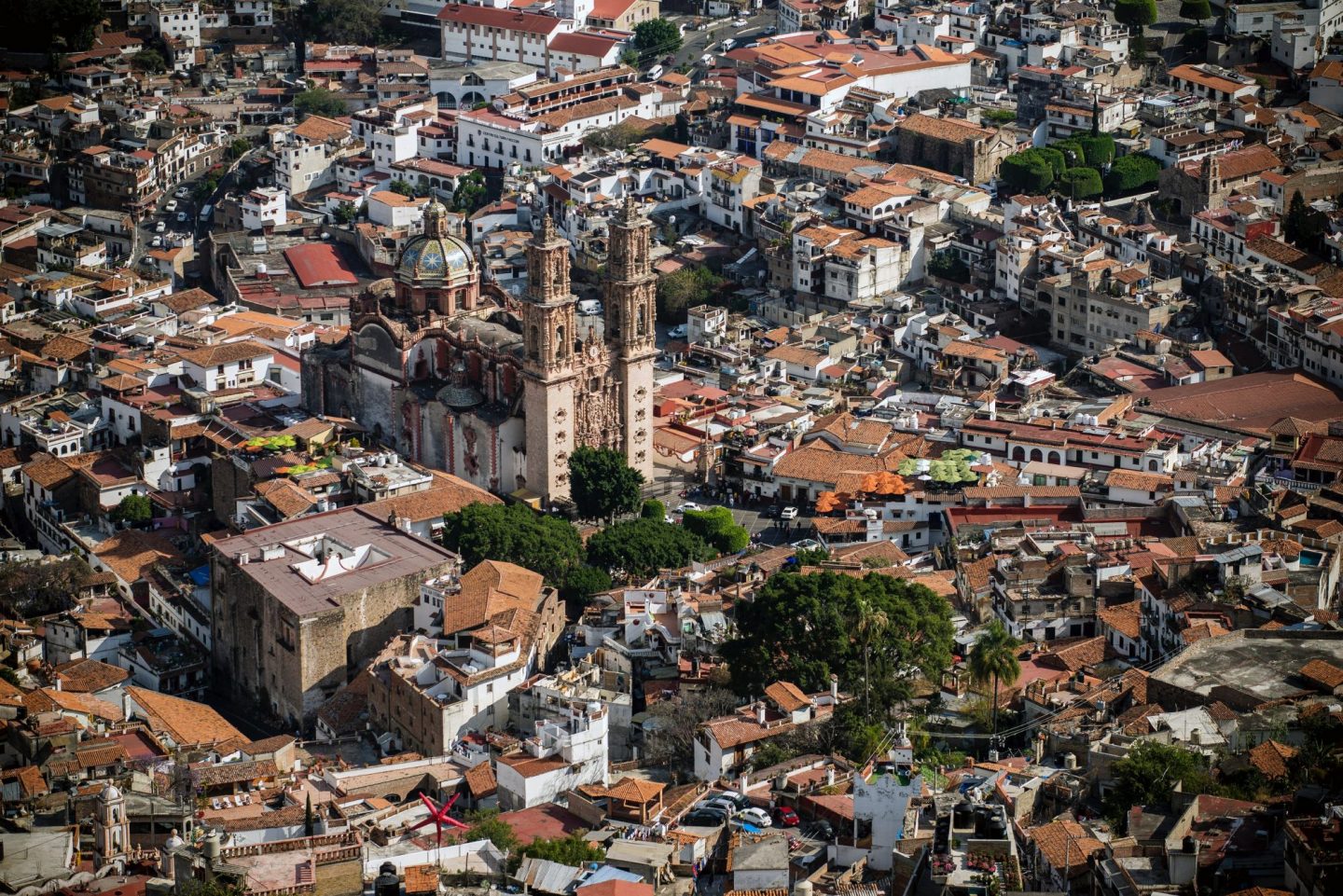
HIST 414: Revolutions in Latin America
Revolutions—sudden, dramatic transformations of social, economic and political structures, accomplished in part by popular mobilization—have played a crucial role in the history of Latin America. We’ll begin the class by studying some theories of revolution and then move on to three case studies from the Cold War: Cuba, Chile and Nicaragua. By the end of the course, students should have an enhanced appreciation of the connection between history and theory as well as issues relating to the social and political struggles of the non-Western world.
Career & Professional Pathways
By exploring the histories, cultures, political systems, economies, and social issues that shape Latin America, you’ll learn to analyze complex challenges from multiple perspectives and communicate across cultures. These experiences can support careers in international development, diplomacy and foreign service, public policy, education, law, and work with nonprofit, governmental, and international organizations. You’ll also develop advanced Spanish-language skills, an asset for careers in the United States and around the world.
Beyond the Classroom
Latin American Studies connects your coursework to real-world experience through cultural engagement and global learning opportunities. On campus, student-led groups create space to explore language, identity, and Latin American perspectives. Beyond CSU, education abroad programs in countries such as Argentina, Chile, and Costa Rica—and options like Semester at Sea—allow you to apply your studies in immersive, cross-cultural settings.
-
Spanish Club
For Latin American Studies students, the Spanish Club offers opportunities to practice language skills while exploring traditions, histories, and contemporary issues. Through events, conversations, and activities, you can strengthen communication skills and cultural awareness in a supportive, student-driven environment.
-
Education Abroad
Education abroad is a key part of the Latin American Studies experience, with CSU programs offered across the region. You can choose from semester, summer, and faculty-led opportunities in countries throughout Latin America, including experiences in locations like Todos Santos, Mexico, as well as programs in Central and South America.
-

Carmen Lopez Ramirez
- Master Instructor
Maria.Lopez_Ramirez@colostate.edu
Clark C 110B
Faculty Spotlight
Carmen López Ramírez is a Master Instructor in Spanish and International Studies who integrates language learning with topics like globalization and immigration. Recognized for her engaging and inclusive teaching, she has earned multiple awards and brings interdisciplinary perspectives into both core and honors courses.
Accelerated B.A.
International Studies majors concentrating in Latin American Studies can graduate in 3 or 3.5 years with thoughtful planning alongside your academic advisor. Accelerated Programs typically include 15-16 credits each fall and spring semester for three years, plus 6-9 credits each summer.
Next Steps
Are you interested in joining our community?