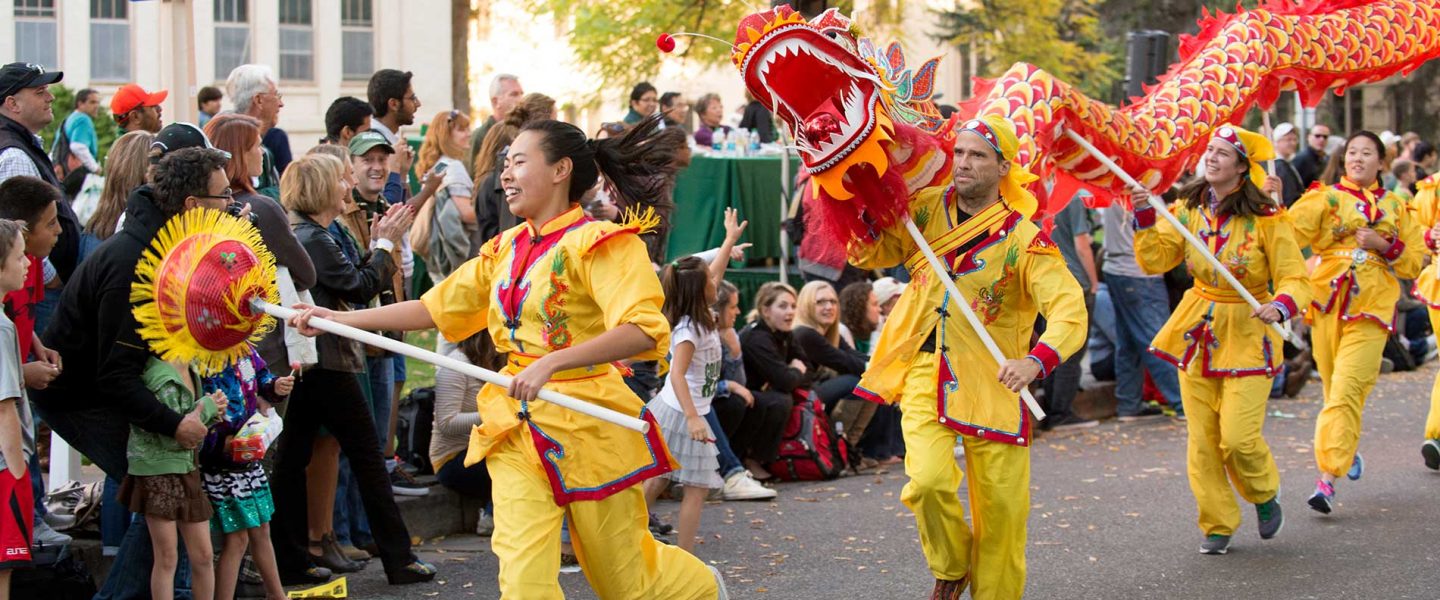
Asian Studies
Focus your International Studies degree on a region that plays a central role in global affairs with a concentration in Asian Studies.
You’ll build a strong foundation in understanding Asia’s diverse societies while developing regional expertise that goes beyond a broad global perspective.
This concentration emphasizes sustained language study and immersive learning, helping you engage more directly with cultures, communities, and issues across the region. You’ll also develop strong cross-cultural communication and analytical skills that support careers in international business, government, nonprofit organizations, education, and global communications.
What You’ll Study
The Asian Studies concentration invites you to explore Asia as a dynamic and diverse region through an interdisciplinary lens. Drawing on fields such as history, political science, anthropology, economics, literature, religion, and the arts, you’ll examine how societies across East, South, Southeast, and Central Asia have evolved and continue to shape global systems today.
Rather than focusing on a single discipline, you’ll make connections—between past and present, local traditions and global forces, and cultural expression and political change. You’ll consider questions about identity, governance, economic development, and globalization while developing the cultural awareness needed to interpret complex regional issues.
Language study is a key part of your experience. You’ll develop proficiency in an Asian language—such as Chinese, Japanese, or Korean—or pursue other approved options, often including immersive study abroad opportunities. As your skills grow, you’ll gain insight into cultural nuance and learn to engage more directly with people, texts, and perspectives from across Asia.
Through this integrated approach, you’ll develop the analytical and cross-cultural skills needed to navigate—and contribute to—an increasingly interconnected world shaped in significant ways by Asia.
Featured Courses
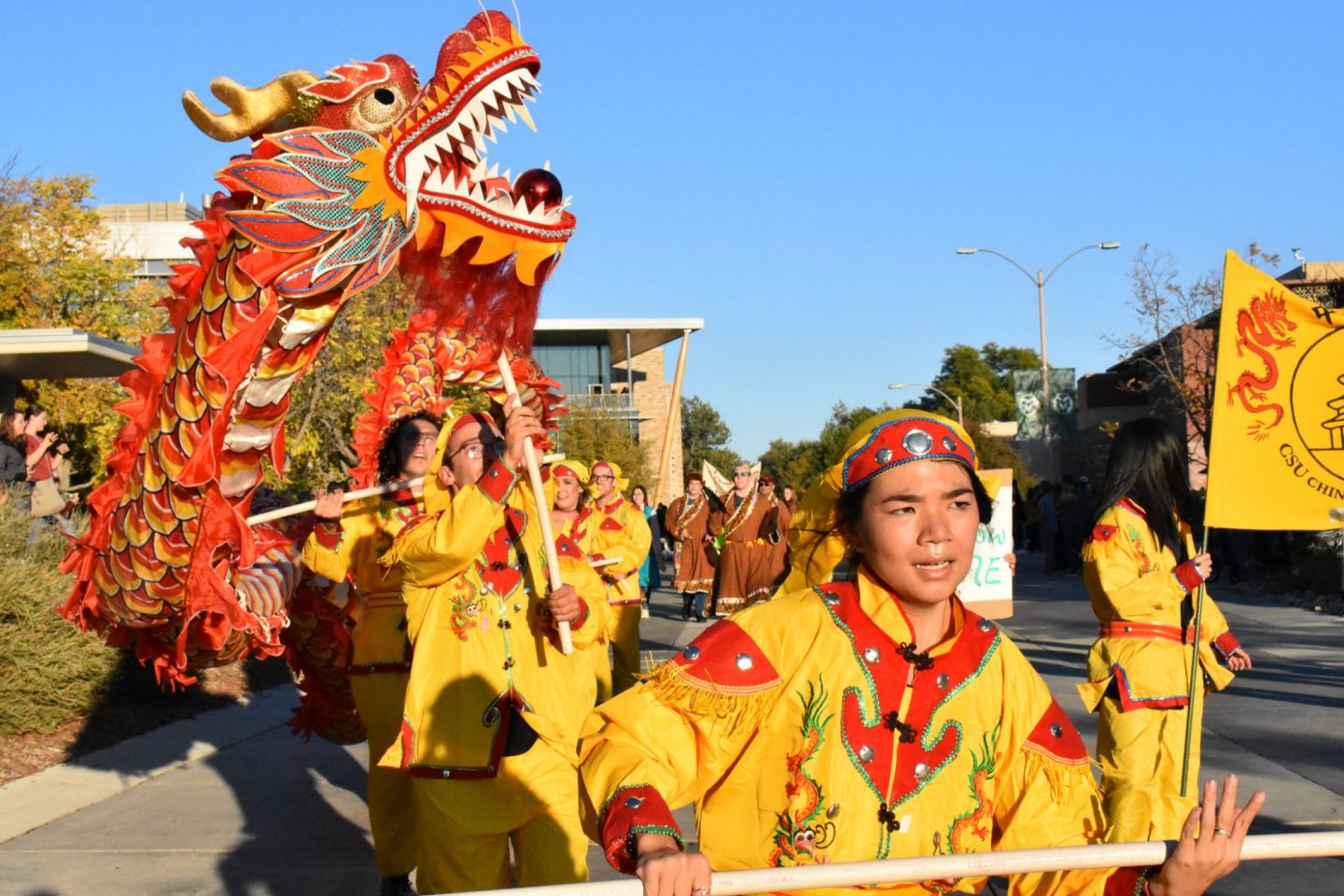
PHIL 349: Philosophies of East Asia
This course explores the beginnings of philosophy in China (ca. 500-100 BCE) and the contemporary influence of these ideas in a variety of East Asian regions. We will focus on coming to a deeper understanding of the ethical and political ideas of early Confucian, Daoism, and Legalism, as well as the variety of ways that scholars attempted to integrate these disparate philosophies. We will then turn to the ways that these texts and ideas have been applied in the political and ethical theorizing of contemporary East Asian philosophers and political theorists.
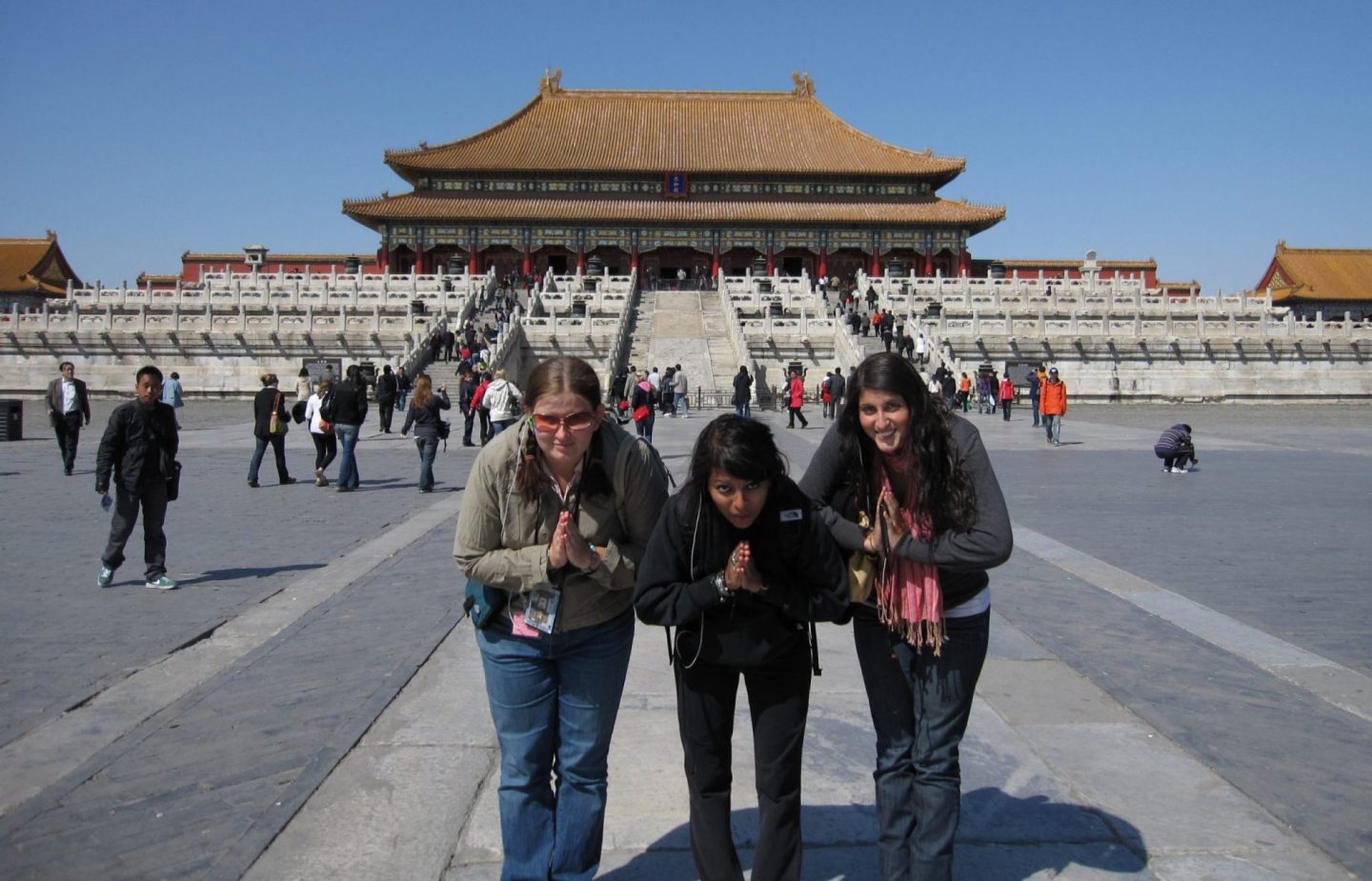
HIST 452: China in the Modern World, 1600-Present
This course explores the social and cultural history of China from the late imperial period to the present. Beginning in the seventeenth century, we’ll examine the political, economic, and social structures of late imperial society and trace China’s transformation into a modern nation-state. Major themes include the relationship between state and society; the formation of modern political institutions; economic development and environmental challenges; shifts in kinship, family structure, and gender roles; and changing dynamics between elite and popular culture. Through primary sources and historical scholarship, students will analyze how ordinary people and political leaders shaped—and were shaped by—China’s transition into the modern world.
Career & Professional Pathways
Language skills and cultural understanding can set you apart in today’s global job market. Asian Studies graduates pursue careers in international relations, government, education, nonprofits, and communications, with many also taking their skills abroad to teach English as a second language, participate in service programs, or travel. Others bring this global perspective into graduate study in fields like public policy, international development, law, or business—building adaptable skills that open doors across industries and around the world.
Beyond the Classroom
As an International Studies major, you’ll find community both on campus and abroad. Language clubs offer welcoming spaces to connect with peers, share cultural interests, and take part in events and service activities. Many students build on this through education abroad, where they form meaningful connections and gain firsthand experience in the communities they study—creating an immersive learning experience beyond the classroom.
-
LGS Language Clubs
You’ll find a welcoming, low‑stress environment to connect with others, exchange ideas, plan cultural events, and engage in community service through LGS Language Clubs. As an Asian Studies concentrator, you can get involved in Chinese Club, Korean Club, or Japan Club, where students of all levels come together to explore language, culture, and community in a fun and supportive setting.
-
Education Abroad
Studying abroad is an integral part of Asian Studies, giving you the chance to live and learn in countries across the region. Popular programs include the Japanese Language and Culture in Kagawa and Kansai Gaidai University exchange programs, the International Internship Program in Hong Kong, and the CIEE Intensive Chinese Language + Culture Program in Nanjing. These immersive experiences strengthen language skills, cultural understanding, and real-world global experience.
-

Julia Lee
- Associate Professor
1739
Social Sciences Hall C3724
Faculty Spotlight
Dr. YuJung (Julia) Lee is an Assistant Professor of Political Science and affiliated faculty in International Studies at Colorado State University. Her research focuses on development, gender and politics, and Asian politics, with current projects examining access to essential services in India and public opinion on foreign policy in South Korea.

Student Research
Join International Studies Major Natalie Montecino as she presents the results of her independent study research on rural Japan, titled, “Tradition in Decline: Economy, Culture, and the Environment in Rural Japan.”

Accelerated B.A.
International Studies majors concentrating in Asian Studies can graduate in 3 or 3.5 years with thoughtful planning alongside your academic advisor. Accelerated Programs typically include 15-16 credits each fall and spring semester for three years, plus 6-9 credits each summer.
Next Steps
Are you interested in joining our community?