
Global Studies
The Global Studies concentration provides a broad, interdisciplinary approach to understanding contemporary global issues by drawing on multiple academic fields and world regions.
Instead of specializing in a single geographic area, you’ll examine how global systems and connections shape social, political, economic, and cultural dynamics worldwide.
This concentration emphasizes flexibility, allowing you to engage with a range of themes and perspectives while developing language proficiency and cross-cultural awareness. This sets the Global Studies concentration apart by focusing on big-picture connections across regions and helping you build the skills to understand and respond to complex global challenges from multiple vantage points.
What You’ll Study
In this concentration, you’ll explore how global processes operate across borders and influence societies in interconnected ways. Coursework integrates perspectives from disciplines such as political science, economics, anthropology, geography, and history to examine issues that transcend any single region.
You will engage with key questions about globalization, including how it develops, how it is experienced differently across societies, and how it shapes global challenges and opportunities. The curriculum encourages you to investigate thematic areas such as migration, human rights, development, environment and health, security, and global communication, helping you build a multidimensional understanding of global systems.
Throughout your studies, you’ll strengthen skills in research, analysis, and communication while gaining proficiency in one or two foreign languages. This combination of interdisciplinary coursework and global perspective prepares you to interpret complex international issues and contribute thoughtfully in diverse professional and cultural contexts.
Featured Courses
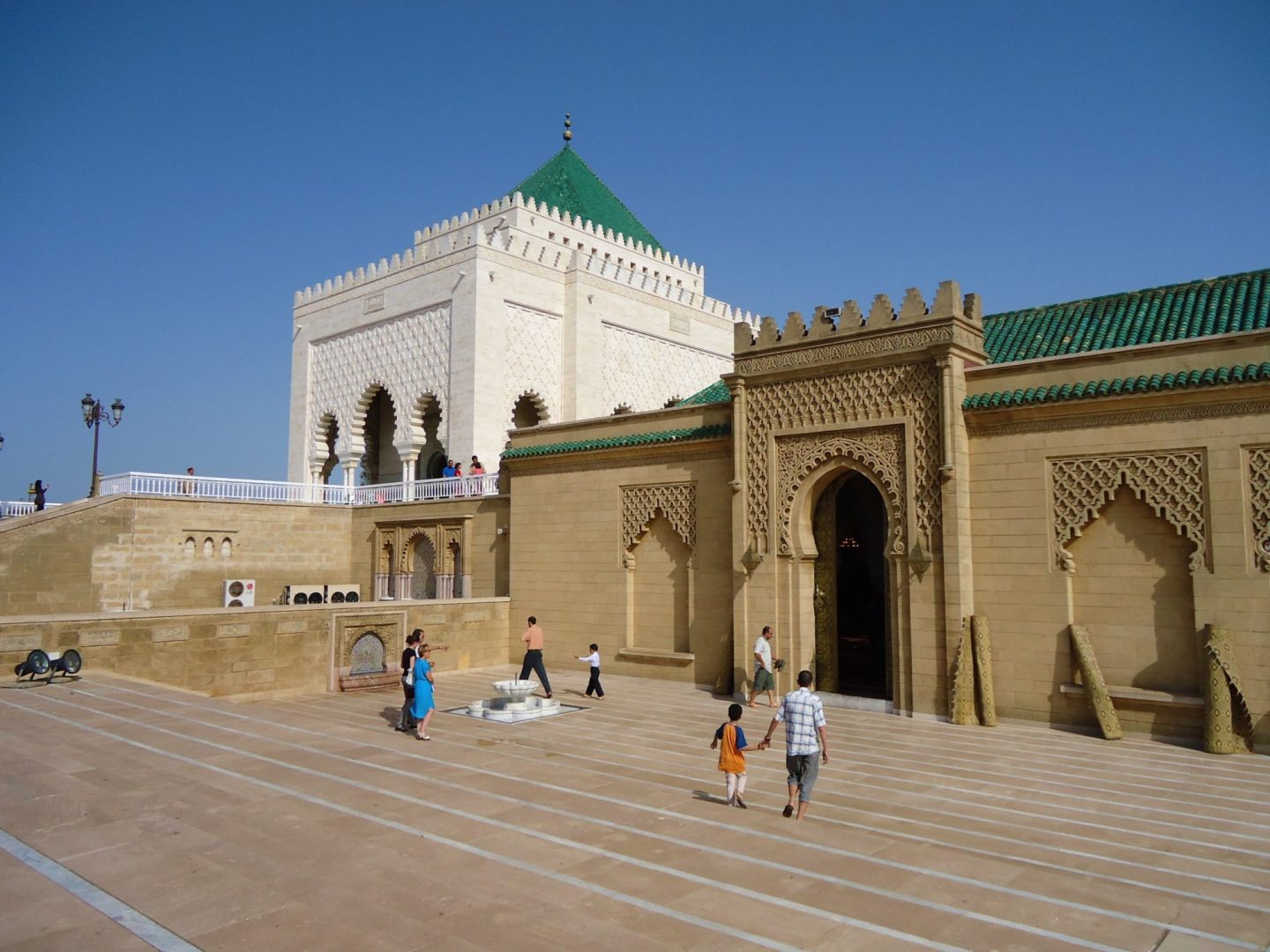
PHIL 300: Ancient Greek Philosophy
In this class, we’ll explore the founding puzzles that lead to the development of Western philosophy. Topics include the relationship between change and stability, how we can determine what things are, and how human beings can live happy and fulfilling lives. We’ll consider initial appearances of these questions in pre-Socratic philosophers, how Plato and Aristotle offer first efforts to answer them, and how their successors develop and adopt these foundations in changing political circumstances.
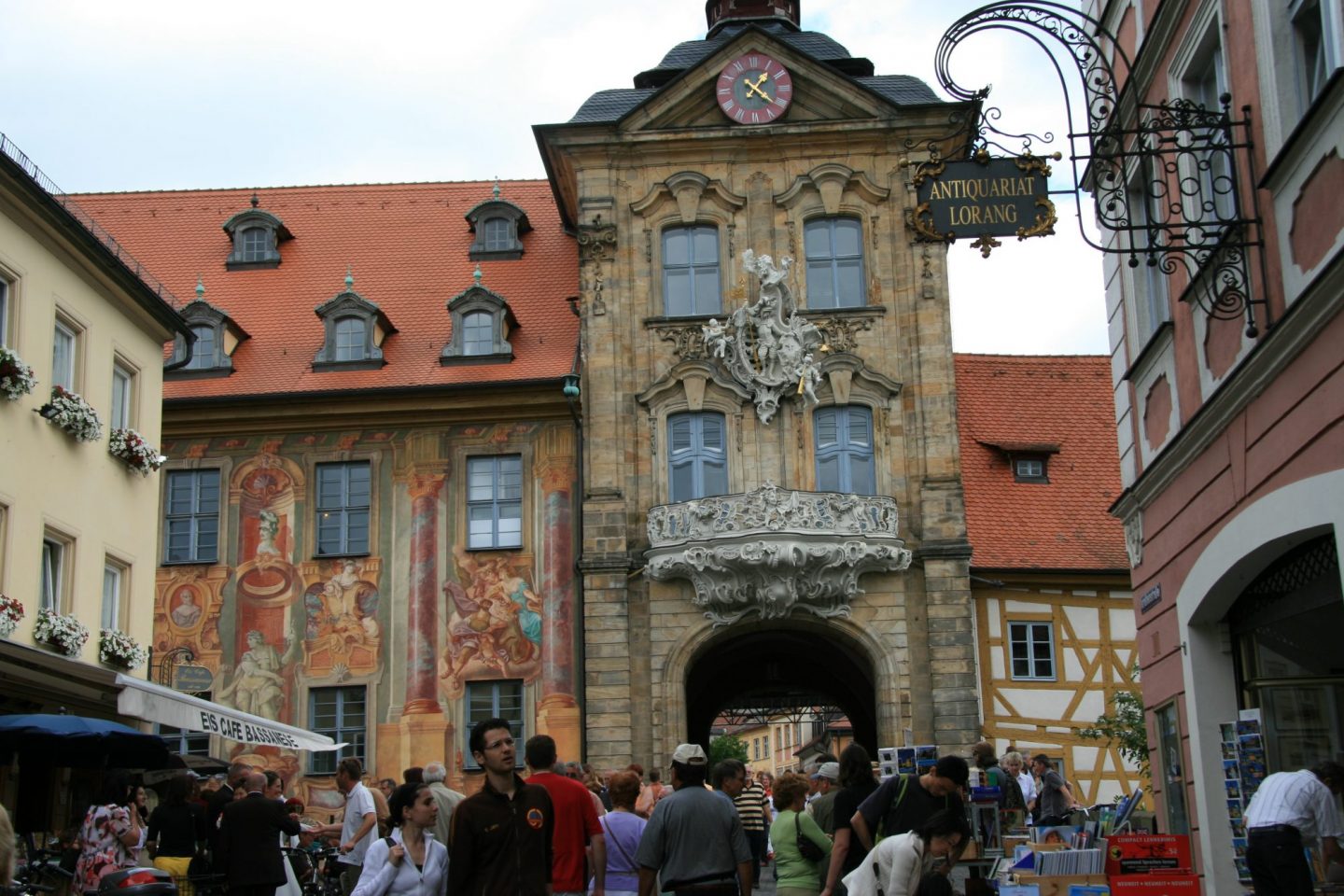
ANTH 317: Anthropology of Human Rights
Human rights from the perspective of cultural anthropology through its theoretical and practical dimensions. Contemporary human rights debates within the context of cultural plurality in a globalized world. Engages the intersection between global dynamics and community experiences by addressing the human rights dimensions of refugees and migration, indigenous communities, women and children, health, religious practices, among others.
Career & Professional Pathways
Students in the Global Studies concentration are prepared to pursue careers that engage complex issues across borders and cultures. By drawing on interdisciplinary perspectives and global themes, graduates can apply their skills in areas such as international development, nonprofit and NGO work, government, education, media, and global business. This concentration is especially valuable for roles that require adaptability, cross-cultural communication, and the ability to understand interconnected global systems.
Beyond the Classroom
Through student organizations, cultural programming, and international experiences, you’ll have opportunities to engage with global issues, connect with diverse communities, and apply what you study in meaningful ways beyond the classroom. Whether participating in events at CSU or exploring new environments abroad, you can deepen your understanding of how global systems shape everyday life.
-
LGS Language Clubs
Language Clubs within the Department of Languages and Global Studies create welcoming spaces to build connections and explore cultures through shared interests. Open to all students, these clubs host informal gatherings, events, and activities that encourage language practice and cultural exchange. Popular options include ASL Club, Korean Club, Arabic Culture and Language Club, Le Cercle Français, and more.
-
Education Abroad
Studying abroad is a key way to experience Global Studies in action. Programs like Semester at Sea take learning beyond a single location, combining coursework with travel to multiple countries for a truly comparative, global perspective. On a 100-day voyage, you’ll take interdisciplinary classes onboard and connect them to field experiences in diverse cultural settings. Additional opportunities—including faculty-led programs and international exchanges—allow you to explore global systems firsthand while strengthening adaptability, cross-cultural understanding, and real-world insight.
-
Global Awareness & International Affairs (GAIA)
GAIA is a student-led community focused on tackling global issues and building cross-cultural connections. Open to all majors, the organization offers opportunities to engage with international topics through discussions, guest speakers, cultural programming, and collaborative events.
Student Spotlight

Becoming trilingual at CSU: Q&A with Zoe Estevez
Faculty Directory
Work closely with faculty across languages and global studies to design an interdisciplinary course of study that reflects your interests, goals, and the global issues you’re most passionate about exploring.
Alumni Reflection
“The International Studies program gave me the global awareness and analytical skills to pursue a career focused on access and equity. Pairing it with my Spanish minor helped me connect more deeply with diverse communities — skills I use every day as an international development professional.”
Abighail Tekeste, B.A. ’23
Next Steps
Are you interested in joining our community?