Center for LSP Education & Research (CLEaR)
Mission
Inspired by Colorado State University’s land-grant mission and in response to the communicative needs in professional spaces, we aim to promote language access in Colorado and the U.S.
We provide leadership in communication needs research and evidence-based Languages for Specific Purposes curricular development and delivery.
We are aligned with CSU’s mission in our commitment to excellence and setting the standard for research, teaching, and service, specifically in the field of Languages for Specific Purposes.
Goals/Objectives
- Design and promote innovative LSP methodology in research and instruction
- Disseminate cutting-edge LSP language needs analysis research
- Develop and deliver evidence-based LSP curricula and learning materials
- Provide internal and external LSP training and consulting
- Develop and integrate groundbreaking technology in LSP instructional design
- Collaborate across professions and disciplines
- Engage actively with community and professional stakeholders
Areas of Focus
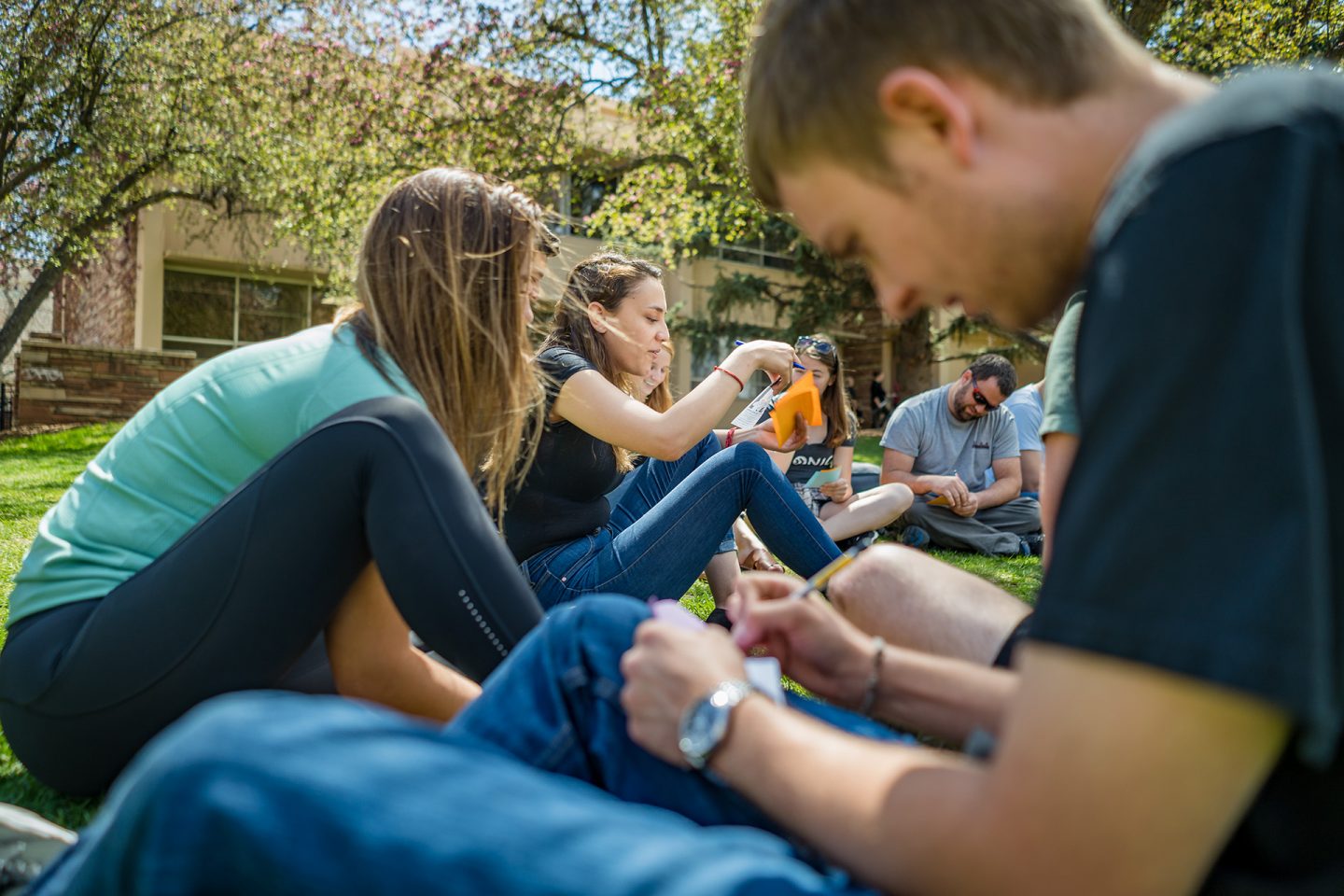
Undergraduate
- Criminal Justice Spanish
- Medical Spanish
- Spanish for Animal Health and Care
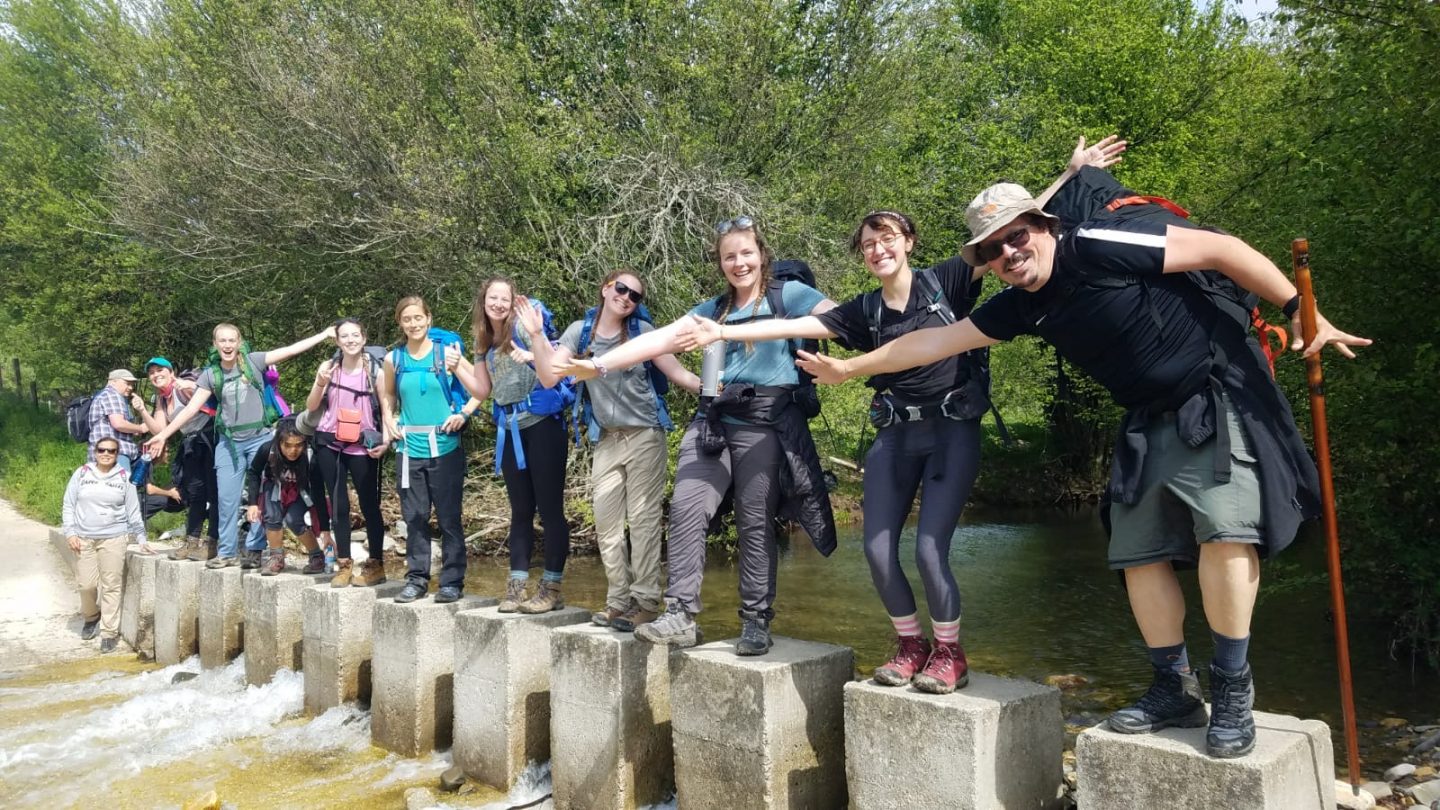
Graduate
- Graduate Programming
- Spanish for the Veterinary Professional
Center Leadership
-

Alyssia Miller
- Associate Professor of Spanish for Specific Purposes
- Director, Center for LSP Education & Research (CLEaR)
-

Shannon Zeller
- Research Scientist II, Institute for Research in the Social Sciences (IRISS)
Advisory Board
-

Maite Correa
- Associate Professor of Spanish
-

Rachel Kirby
- Professor
-

Nyssa Knarvik
- Assistant Professor of Spanish
-

Andrea Purdy
- Teaching Professor of Spanish
- Undergraduate Coordinator
- Program Coordinator
-

Edward Sarasty
- Spanish Instructor
-

Maura Velazquez-Castillo
- Professor
-

Mary Vogl
- Professor
Join Us!

Affiliate Faculty and Scholars
Faculty and scholars interested in contributing to one (or more) of the following LSP areas and submit a successful proposal aligned with the research and teaching philosophy and methodologies of CLEaR will be named Affiliate Faculty and Scholars for an initial period of one year (subject to renewal)
- Teaching and/or curricular development in Languages for Specific Purposes (LSP) program
- Conducting research in the LSP field

Affiliate Graduate Students
Graduate students interested in contributing to one of the following areas and submit a successful proposal (aligned with the research and teaching philosophy and methodologies of CLEaR) will be named Affiliate Graduate Students:
- Teaching and/or curricular development in LSP
- Assisting with or conducting LSP-related research
Current Graduate Students:
- Giselle Alpizar-Calixto
- Jhon Cortes Lugo
- Paula Izquierdo García
- Lark O’Hora
- Luz Ángela Redovian
- Jordan Troeger
- Whillamina Wise

Affiliate Undergraduate Research Assistants
Undergraduate students interested in assisting with LSP research and submit a successful proposal aligned with the research and teaching philosophy and methodologies of CLEaR will be named Affiliate Undergraduate Research Assistants.
Current Affiliate Undergraduate Research Assistants:
- Valeria Casillas Payan
- Kennedy Hedrick
- Pablo Kulisheck-Lopez
- Morgan Proud
- Milan Richman
- Monica Schafer
- Grace Sjaastad
Spanish Certificates
We are pleased to announce the first course in a series that focuses on developing advanced Spanish language and cross-cultural competence specifically tailored to the needs of students in fields related to criminal justice.
Field-specific Spanish proficiency enables criminal justice professionals to establish trust and facilitate effective communication when engaging with members of the Spanish-speaking community living in the U.S.
The series is based on an extensive analysis of the language needs of future law enforcement officers, lawyers, court interpreters and other professionals who work in the criminal justice system and often interact with Spanish-dominant speakers. Enhancing language access fosters an effective criminal justice system that is true to its promise of providing equal access to justice.
LSPA 380A6: Spanish for Criminal Justice – An Overview
Course Description:
Develop intermediate Spanish communication skills in criminal justice fields, such as law enforcement, criminal law, and court interpretation. Focuses on the specific terminology and the language proficiency necessary to describe state-level criminal justice systems in the US, the stakeholders, the general sequence of events in criminal proceedings, and how they differ from those in Latin America. All targeted forms, activities and assessments are content-based and practical in nature.
Course Learning Objectives:
By the end of the course, students will be able to:
- Identify, describe, and compare the organizational principles of the US criminal justice system and its Latin American counterparts.
- Identify, describe, and compare the main stakeholders in the US criminal justice system in relation to its Latin American equivalents.
- Identify, describe, and compare the main stages and events of criminal proceedings in the US and those followed in Latin American countries.
- Examine the difficulties and disadvantages experienced by Spanish speakers in the US criminal justice system.
- Issue and follow basic and general instructions in Spanish for navigating criminal procedures in the US.
Effective communication can be the difference between confusion and clarity, between fear and comfort, between illness and treatment. Studying Medical Spanish is not just learning a language, it’s also about gaining the skills needed to transform patient care, reduce health disparities, and stand out in your future career. Whether you’re planning to become a doctor, nurse, public health leader, or work in any sector of health care, Medical Spanish will prepare you to connect meaningfully with Spanish-speaking patients and communities. These courses equip you with the linguistic tools and cultural insight to build trust, deliver compassionate care, and lead with intercultural competence in today’s diverse healthcare landscape. Get ready to expand your opportunities and make a real difference in patient’s lives!
LSPA 380A4: Foundations of Spanish, Culture and Health
Course Description:
This course lays the foundation needed for advanced study in medical Spanish. It explores the differences between health care in the U.S. and Latin America health care in Spanish and develops intermediate-mid Spanish proficiency through the use of language and exploration of culture.
Course Learning Objectives:
Upon completion of this course, students will be able to:
Identify common health conditions in U.S. and Latin American populations
Contrast the U.S. health care system to Latin American health care systems
Compare attitudes towards health care usage and preventative care across the U.S. and Latin America
Assess the influence of social and cultural determinants of health for Spanish-speaking populations in the U.S. and Latin America
Explain the role of traditional medicine, herbal remedies, and culturally bound syndromes for Spanish-speaking populations in the U.S. and Latin America
Analyze common linguistic challenges prevalent in health care encounters, such as false cognates and dialectal differences
LSPA 346: Spanish for Health Care
Course Description:
Specific linguistic and cultural issues necessary to function in the Hispanic health care world.
Course Learning Objectives:
Upon completion of this course, students will be able to:
- Demonstrate understanding of medical Spanish vocabulary
- Analyze cultural practices, impacts, and influences as they pertain to Spanish-speaking populations
- Deconstruct social determinants of health as they relate to the Spanish-speaking world
- Investigate the connection between language, culture, and health in the Spanish-speaking world
- Roleplay patient interactions in Spanish
Undergraduate Certificate in Spanish for Animal Health and Care:
The Undergraduate certificate in Spanish for Animal Health and Care is designed for students who are preparing for a career in large and small animal production and care, as well as for practicing professionals in these and related fields. It is intended to develop intermediate-level, field-specific communication skills in Spanish. It provides students the skills necessary for successful communication among a culturally and linguistically diverse workforce and clientele. Special attention is given to developing an understanding and awareness of the multiple cultural perspectives and constructed patterns of behavior present in the inherently diverse work environments of the animal health and care fields. The certificate adopts a practical, task-based approach to language learning and instruction.
Certificate Course Map
LSPA340: Spanish for Animal Health and Care Fields
Course Description: Develop intermediate-mid level communication skills in Spanish for students in animal care fields. Specific terminology and the basic linguistic skills necessary to communicate about veterinary care and proper handling of livestock. All targeted linguistic forms, communicative activities and assessments are task-based and practical in nature.
Course Learning Objectives:
- Identify, describe and compare common livestock breeds, body-parts and different areas of livestock facilities, using appropriate Spanish terminology and sentence-length, here-and-now discourse.
- Deliver and follow basic instructions in Spanish for livestock daily care and handling.
- Identify and describe livestock health status and irregular behavior using sentence-length discourse.
- Issue and follow basic instructions in Spanish about preventative care, vaccination, drug administration and dosages.
LSPA342: Spanish for Animal Health and Care Fields II
Course Description: Continuing development of intermediate-level communication skills in Spanish for students in large and small animal care fields. Development of specific terminology and linguistic skills necessary to communicate about animal health and care. All targeted linguistic forms, communicative activities and assessments are task-based and practical in nature.
Course Learning Objectives:
- Based on audio input in Spanish and visual images, identify and describe common animal health conditions and related symptoms.
- Describe treatment procedures and proper care recommendations, using appropriate Spanish terminology and sentence-length discourse.
- Issue and explain basic instructions in Spanish for the preventive care of animals.
- Explain the justification behind animal care best practices.
- Use sentence-length discourse, describe/narrate the evolving condition of particular animal ailments.
- Issue and follow instructions in Spanish about safety guidelines in animal handling and care.
- Record animal health-history.
- Explain animal physical exam procedures and results.
LSPA343: Spanish Terminology-Animal Health/Agriculture
Course Description: Spanish lexicon specific to animal health and plant-based agricultural practices and sciences. Focuses on enhancing vocabulary breadth and depth by developing awareness of both meaning relations among words and morphological composition applied to the production and interpretation of the complex word types found in this field. All course materials are in the target language.
Course Learning Objectives:
Locate unfamiliar key terms in a Spanish corpus of representative animal health and agricultural language.
Creatively infer meanings of key terms using a variety of strategies (e.g., prior knowledge, context clues, morphological decomposition).
Use media sources, demonstrate the ability to research the origin, meaning and contextual uses of unfamiliar Spanish terms specific to animal health and agriculture.
Use media sources, identify synonyms, antonyms, meronyms/holonyms, hyponyms/hyperonyms for unfamiliar animal health and agricultural terms in particular contexts.
Use video technology, creatively demonstrate the meaning of new words through a combination of words, images and gestures/body movements.
Determine the substitutability of synonyms for targeted words found in specific contexts.
Given a morphologically complex word, extract the base word and identify other words that share the same base.
Given a base word, explain the meaning of complex words that share the same base.
Demonstrate proficient oral use of at least 150 new words specific to agriculture.
Explain complex meaning relations involving the150 targeted animal health and agriculture-related words.
LSPA444.The Intercultural Workplace
Course Description: In an increasingly interconnected world, the ability to navigate and thrive in multicultural professional environments is a crucial skill. In this course students will develop their Spanish language proficiency along with cultural competency and intercultural communication skills, specifically tailored for U.S. workplace contexts that include Spanish speakers.
Course Learning Objectives:
- Analyze, describe and reflect on the socially and culturally constructed values and behavior patterns prevalent in U.S. workplace contexts.
- Investigate, explain and reflect on the unique profiles of U.S. workplace perspectives and practices involving Spanish-speakers.
- Examine and explore intercultural differences with self-awareness and openness, recognizing bias and avoiding stereotypical characterizations.
- Present information and ideas to explain, persuade, and narrate on intercultural topics related to U.S. workplaces that include Spanish-speakers.
- Demonstrate intercultural communication skills, such as building rapport and trust, and acting with patience, adaptability, empathy, and self-awareness.
Graduate Certificate in Spanish for the Veterinary Professional:
This specialized graduate certificate in Spanish is tailored for veterinary students and professionals seeking to enhance their communication and engagement with Spanish dominant pet owners. It equips students with the essential language skills to discuss animal health in clinical settings, build rapport and establish trust. Designed with current and future veterinary practitioners in mind, this program empowers students to effectively communicate with clients and facilitate optimal health outcomes. The curriculum is meticulously crafted to address the real-world language needs of veterinary professionals and is informed by a comprehensive language needs analysis conducted in partnership with veterinarians in Colombia, Mexico, and Spanish-speaking communities across the U.S.
Certificate Course Map
LSPA700: Spanish for Veterinary Wellness Appointments
Course Description: Focus on veterinary wellness appointments. Learn how to obtain patient and client information, establish normal healthy animal behaviors, and discuss preventive care practices, such as vaccination, parasite control and nutrition in Spanish
Course Learning Objectives:
- Formulate introductions and engage in small talk in Spanish with Spanish-speaking clients in sentence-length discourse.
- Conduct patient signalment (name, age, gender, spay/neuter status, etc.) and create a client’s profile (name, address, email, etc.).
- Determine patients’ normal and abnormal behaviors (eating, drinking, defecating, urinating, vomiting, coughing, etc.).
- Examine a pet in front of the client & make observations based on the pet’s physical condition.
- Collect information about reproductive status to discuss the importance of the spay/neuter surgery and impact to the patient.
- Collect information about vaccines to discuss the process and importance of vaccination and parasite control.
- Ask about diet habits and discuss the importance of healthy nutrition.
- Recommend basic plans for care associated with disease prevention, spay/neuter, and nutrition.
LSPA701: Spanish for Veterinary Health Histories
Course Description: Focus on veterinary health histories. Learn how to take animal health histories, summarize back to clients and recommend next steps of care (e.g., relevant diagnostic tests and radiograph/ultrasound imaging) in Spanish
Course Learning Objectives:
- Identify and confirm pets’ presenting problems.
- Take pets’ basic health histories (weight, diet, temperature, vaccine history, current medications, vomiting, coughing, diarrhea, energy levels, etc.)
- Collect detailed information about presenting problems (when they occurred, how they occurred, etc.)
- Confirm comprehension of client input related to health histories
- Summarize key information of pets’ health histories
- Using knowledge gained through health history taking, establish immediate next steps in care and communicate associated costs
- Address client concerns regarding pets’ health status.
LSPA702: Spanish for Veterinary Diagnostics
Course Description: Focus on physical exams and diagnostic tests. Learn how to recommend tests and explain results, describe possible causes of illness and associated medical procedures while addressing client concerns and expressing empathy when appropriate, in Spanish.
Course Learning Objectives:
- Describe patient’s physical state or health condition
- Recommend diagnostic tests based on health condition
- Confirm and explain diagnostic test results
- Explain how a health problem or procedure functions
- Communicate possible causes of a problem
- Gauge comprehension of information (exam findings, health condition, how a health problem/procedure works) communicated to client
- Communicate and address concerns
- Demonstrate empathy and understanding
LSPA703: Spanish for Veterinary Health Histories
Course Description: Focus on treatment plans. Learn how to recommend treatment plans, discuss associated risks, obtain consent, communicate costs, and give instructions for at-home care, in Spanish.
Course Learning Objectives:
- Summarize health history and diagnostic results
- Recommend treatment plans
- Communicate cost associated with treatment plans
- Describe next steps related to treatment plans
- Communicate risks associated with treatment
- Give instructions for at home care
- Confirm client agreement and obtain consent
LGEN704: VM Cultural Awareness and Access to Care
Course Description: Develop awareness of diverse perspectives that are inherent to intercultural communication in veterinary settings. Focus on the unique cultural considerations of veterinary professionals who engage with Spanish dominant pet owners and animal caretakers. Evaluate how veterinary professionals can increase access to care for these community members.
Course Learning Objectives:
- Identify and analyze differences between student’s cultural patterns and those of Spanish speaking pet owners and animal caretakers from different cultural backgrounds.
- Pinpoint and address areas of potential cultural misunderstanding (misalignment) to foster increased access to veterinary care for Spanish speaking community members.
- Identify and address relevant areas of inequity in delivery of care in veterinary medicine.