
Bachelor of Arts in International Studies
As an International Studies major, you’ll explore diverse cultures, global systems, and pressing international issues while building the analytical and communication skills to make a meaningful impact.
Through interdisciplinary coursework, you’ll examine how economic, political, and cultural forces interact across borders, gaining insight into a globalized world.
Our program emphasizes critical thinking, adaptability, and cross-cultural understanding—preparing you to apply your knowledge in real-world contexts. After graduation, you’ll be ready to pursue careers in a wide variety of fields such as international law, education, public policy and diplomacy, humanitarian work, and more.
This degree can be completed as an accelerated option in 3-3.5 years (excluding the Global Studies concentration).
Concentrations
We offer five region-specific concentrations so you can focus on the part of the world that interests you most and hone your expertise through language study and coursework across the liberal arts.
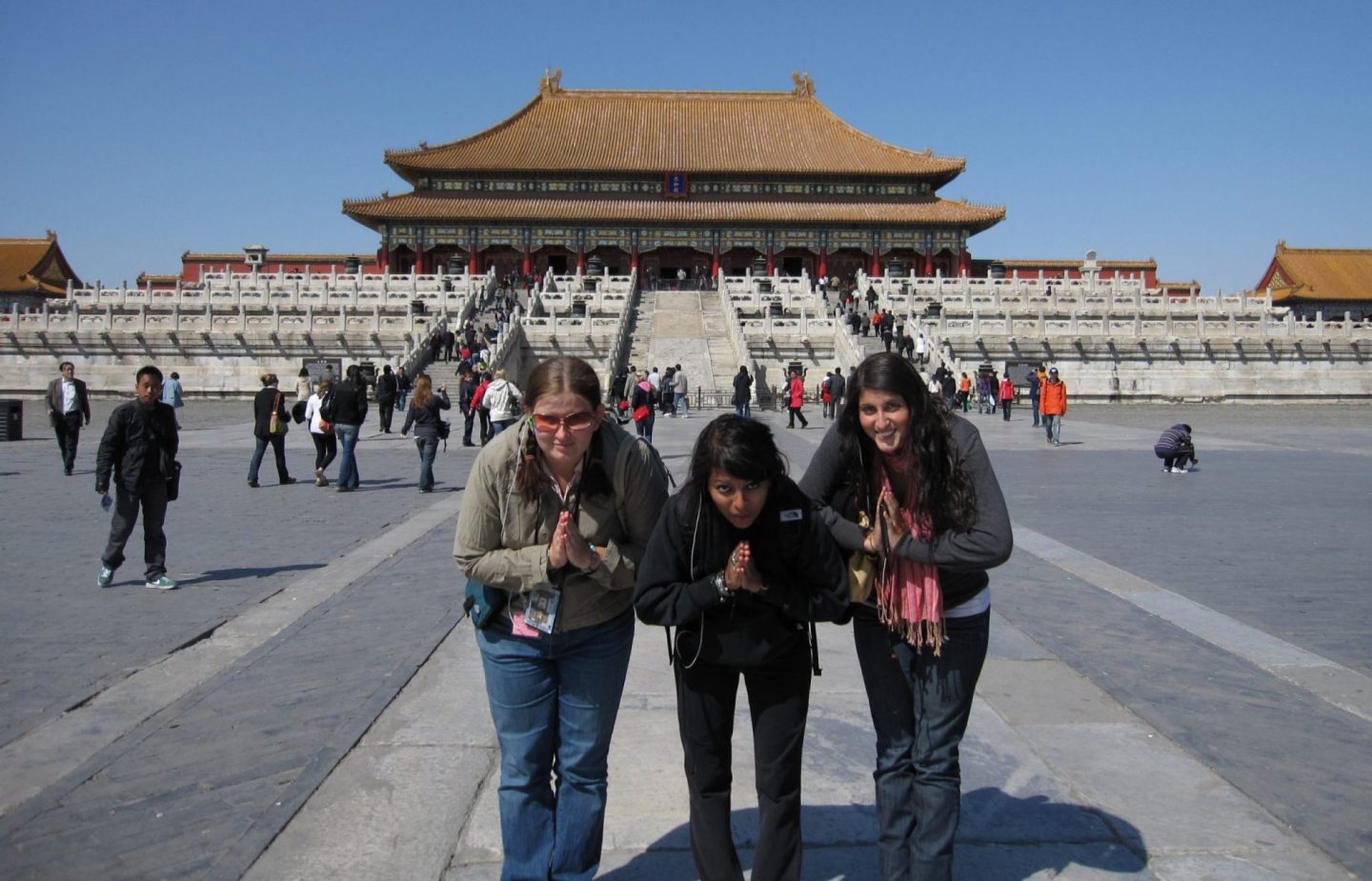
Asian Studies
Explore Asia through history, culture, politics, art, and language to engage with the people, ideas, and regions that shape its past and present, while building proficiency in Chinese, Japanese, or an advisor-approved alternative.

European Studies
Examine Europe’s intellectual and cultural traditions—history, religion, philosophy, literature, politics, and art—alongside advanced language study in French, German, Russian, or Spanish to gain understanding into the region’s historical roots and contemporary complexities.
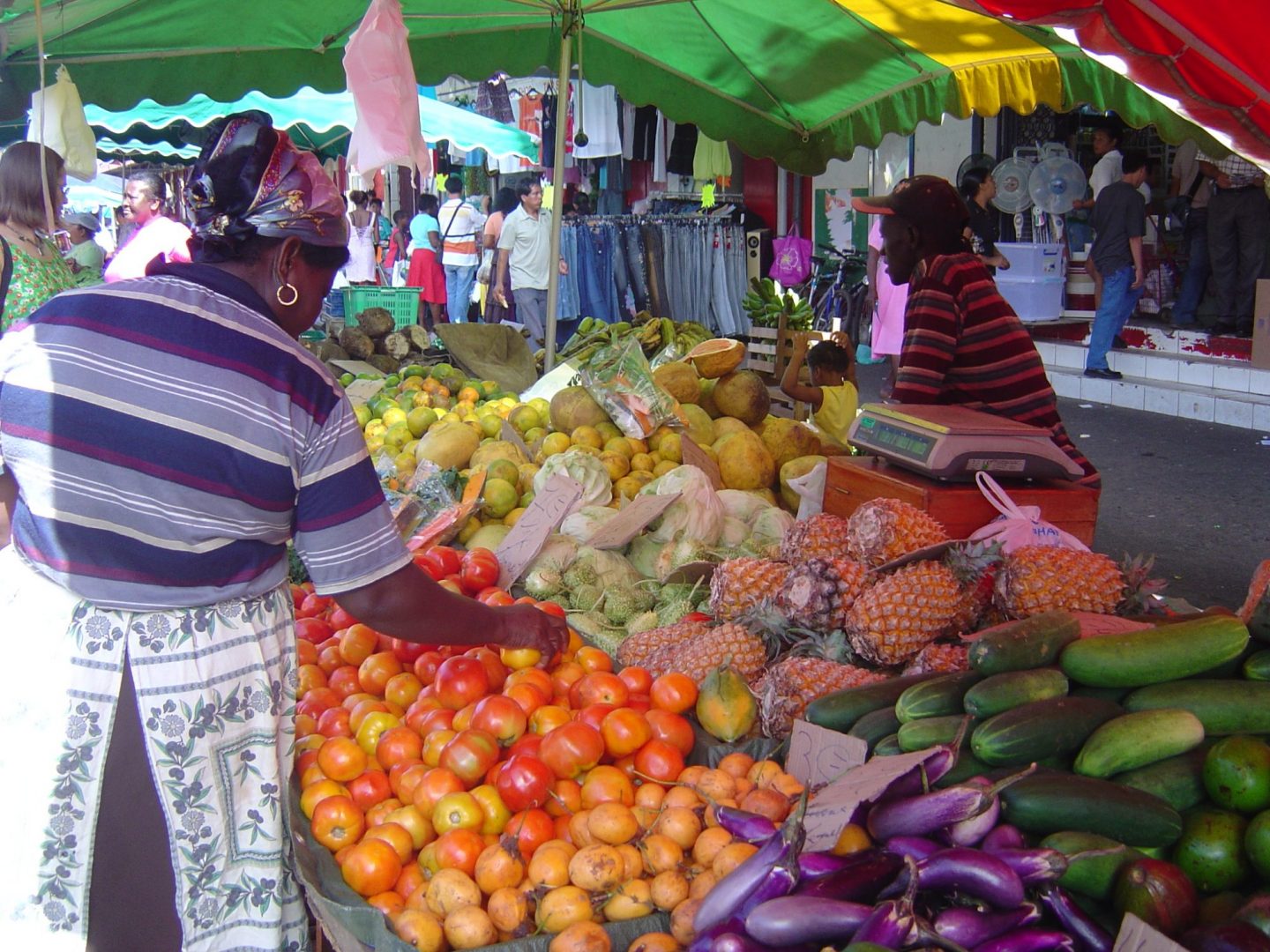
Latin American Studies
Analyze Latin America through an interdisciplinary mix of history, economics, literature, sociology, political science, anthropology, art, and Spanish language study, mapping shared patterns and key regional differences.

Middle Eastern/North African Studies
Investigate the Middle East and North Africa by blending coursework in the humanities, social sciences, and language study in Arabic or French, while diving deeply into the region’s interconnected political and cultural systems.
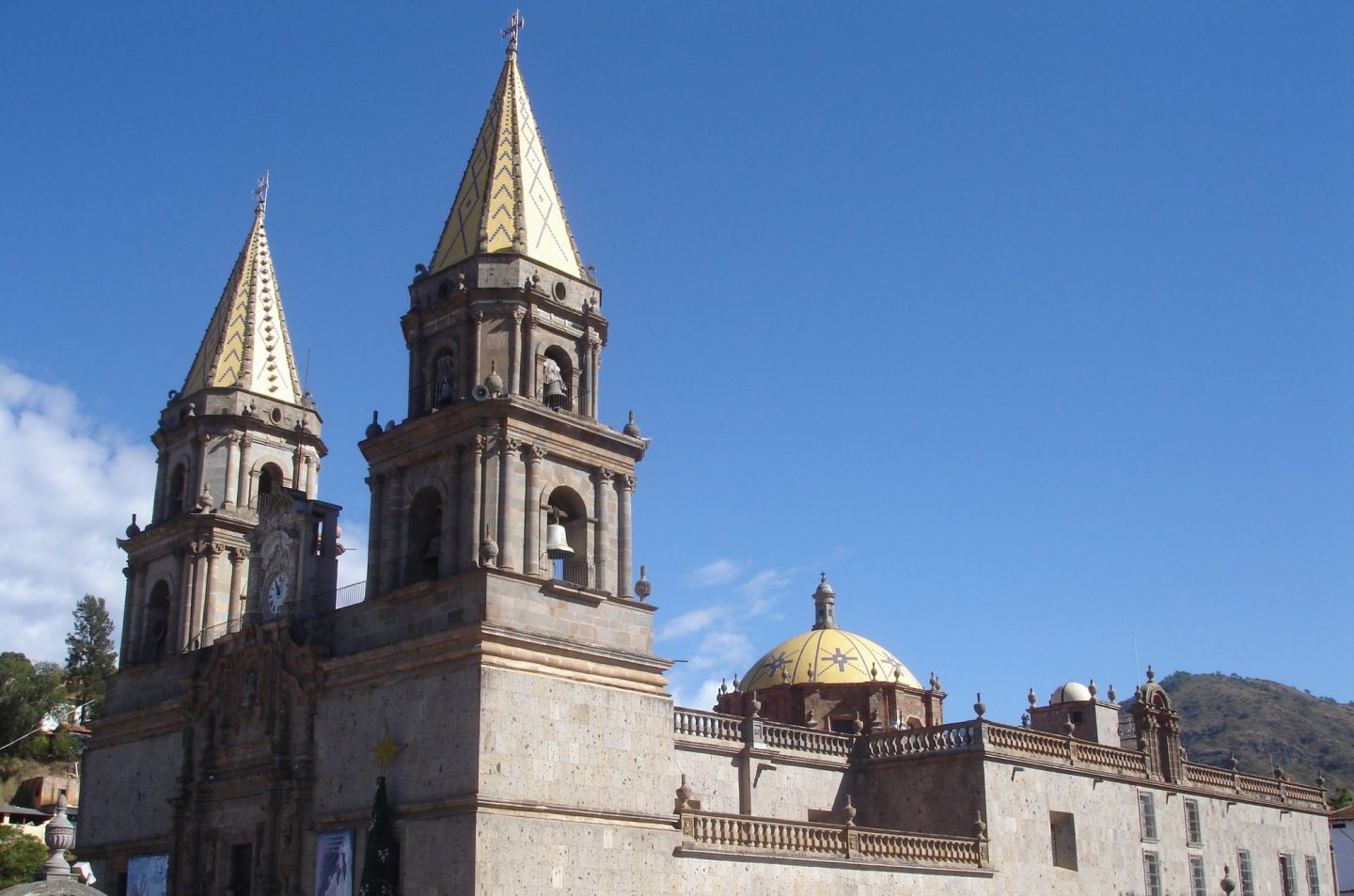
Global Studies
Engage contemporary global issues through courses spanning multiple regions, themes, and fields, developing the tools to address complex world challenges. This concentration is ideal if you plan to study two foreign languages.
Degree Requirements
The International Studies major is organized around a core curriculum, language learning, and region-specific study, allowing you to build depth in a particular region while developing the cultural competencies to understand and engage with complex global issues.
-
Core Curriculum
INST 200: Approaches to Globalization
All International Studies majors start their journey by taking INST 200: Approaches to Globalization, where you’re introduced to key concepts, debates, and perspectives that shape how we understand global systems. Through a combination of assigned readings, writing, lectures, and collaborative discussion, this course explores the concept of globalization by engaging a series of interconnected questions. You’ll consider what globalization is, when and how it emerged, and why defining such a broad and complex term can be both challenging and useful.
-
INST 301: International Studies Research Methods
The next course in the core sequence is INST 301: International Studies Research Methods, where you’ll develop the analytical and research skills to thoughtfully investigate global issues across disciplines. By the end of the semester, students are prepared to understand, evaluate, and conduct research in both academic settings and diverse professional contexts.
-
INST 492: Capstone Seminar
Your academic path culminates in INST 492: Capstone Seminar, where you bring together your knowledge in a discussion-based course and complete a senior thesis project. This project can take the form of a traditional scholarly research paper, a creative project, or another option related to the theme of your seminar. Recent topics have ranged from the economic, cultural, and environmental dimensions of rural Japan to the lives of boundary-crossing travelers, analyzing the experiences of diplomats, explorers, tourists, and refugees.
Advising Information
Are you a current student who would like to learn more about adding or completing an International Studies major?
Schedule an appointment with one of our dedicated Academic Success Coordinators by contacting the College of Liberal Arts Academic Support Center.
Experiential Learning Opportunities
International Studies connects you to a vibrant, globally focused community through student-led organizations, immersive study abroad experiences, hands-on research, and real-world internships. Together, these opportunities foster collaboration, cultural exchange, and professional growth—helping you apply what you learn, make meaningful connections, and engage with the world beyond the classroom.
-
Global Awareness & International Affairs (GAIA)
GAIA builds global awareness and career readiness through leadership, networking, and cultural events. Open to all students, the club hosts regular meetings, film screenings, panels, and more.
-
Student Research
Work alongside faculty on translation projects, linguistic research, and cultural analysis that connects your classroom learning to real-world applications. Present your findings at student conferences and contribute to ongoing departmental research in areas like language acquisition and cross-cultural communication.
-
Education Abroad
International Studies majors are strongly encouraged to study abroad, with 1,000+ programs and financial support available through the Education Abroad Office. Gain global skills, enhance your studies, and stand out—work with your advisor to find the right program for you.
-
Internships
Explore internships across diverse fields—from fast-paced international businesses to mission-driven nonprofits, government, education, and foreign service. Whether paid or for credit, these experiences help you sharpen your skills, expand your network, and turn your global curiosity into real impact.
Alumni Testimonial
“We’re all citizens of the world, united by our shared humanity. This realization truly resonated with me and helped me see my role in the grander sociopolitical sphere. Now, when I look at the differences on my team at work, I see opportunity to approach our challenges from different perspectives.”
Grace Tiberi, B.A. ’22
Next Steps
Are you interested in joining our community?