Deconstructing Bias
Resources for Teaching and Learning
According to the Merriam-Webster Dictionary . . .
A stereotype is a preconceived, “standardized mental picture that is held in common by members of a group and that represents an oversimplified opinion, prejudiced attitude, or uncritical judgment.”
A bias is “a personal and sometimes unreasoned judgment,” often resulting from stereotypes.
Prejudice is the “injury or damage resulting from some judgment” or bias against another.
As humans, we are all biased, but we need not be ruled by our biases. We have the power to determine how our perspectives, stereotypes, and preconceptions affect our actions. By recognizing and deconstructing our implicit biases, we can prevent them from becoming prejudice.
The resources below aim to expose, address, and challenge widespread implicit biases associated with race, ethnicity, and religion. They serve as a foundation for understanding and deconstructing Western misconceptions about the Middle East and North Africa.
Quicklinks
Lecture: Introduction to Bias and the MENA
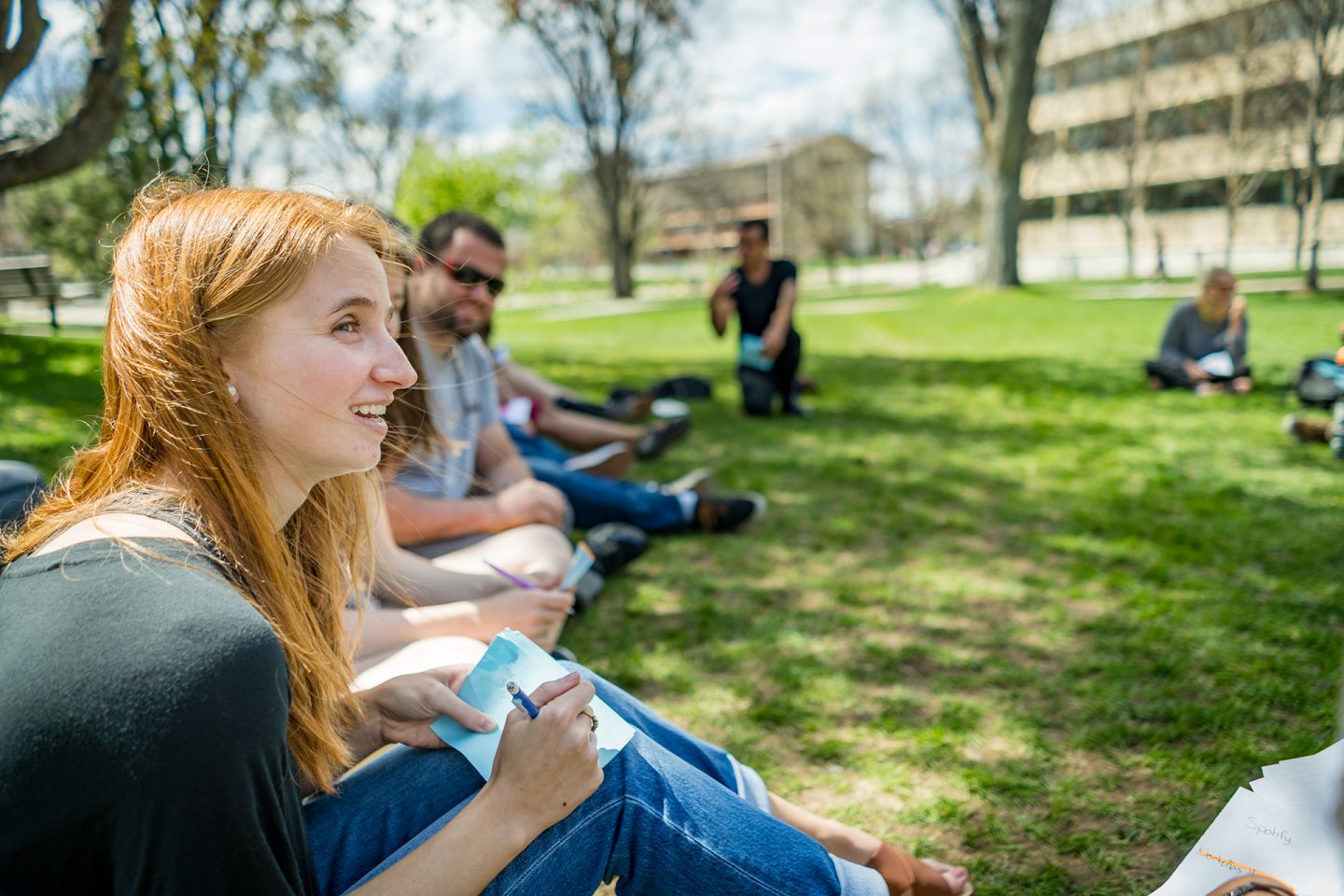
One Day 1 of the 2018 Bimson Seminar, we discussed the prevalence and implications of implicit biases, and Dr. Gamze Çavdar explained the purpose of this seminar. Review her lecture here.
-

Gamze Çavdar
- Professor
970-491-4869
Social Science Hall 2923 (Former Clark C)

Resources
This list provides resources for U.S. educators and students seeking to better understand cultural biases, especially as they relate to the Middle East and North Africa. It is far from exhaustive and is intended as a starting point only. Many of these resources should be viewed and used critically and with care.
- How to Teach about the Middle East and Get It Right (University of Michigan educators’ resource)
- Interview: Edward Said on “Orientalism as a Tool of Colonialism”
- Did you judge me? Transform stereotypes, racism, and your world (TEDx)
- The Muslim on the Airplane (Mile high TEDx)
- Islamophobia (TEDxGallatin 2013)
- Teach Mideast Website
- Chimamanda Adichie, “The Danger of a Single Story” (TEDx)
- Podcast: “Radio Replay: The Mind of the Village”
- American Arab Anti-Discrimination Committee website
- Anti-Defamation League website
- Teaching Tolerance (an educational resource)
- Islamophobic Website (view critically!)
Further Reading
Islamophobia and Western bias toward the Middle East and North Africa form the subject of countless books and articles, and these works vary widely in quality. This list provides a sampling of literature that may help to explore and elucidate these issues in the classroom. Resources are linked to online documents as available.
- Ahmed, A. (1990). “When Worlds Collide: Muslim Nations and Western Modernity.” In Islam Today: A Short Introduction to the Muslim World. I.B. Taurus.
- Ansari, T. (2010). Destiny Disrupted: A History of the World through Muslim Eyes. Public Affairs.
- Edwards, B.T. (2005). Morocco Bound: Disorienting America’s Maghreb, from Casablanca to the Marrakech Express. Durham, NC: Duke University Press.
- Read with caution: Huntington, S. (2011). The Clash of Civilizations and the Remaking of the World Order. Simon & Schuster.
- Read with caution: Lewis, B. (2001). What Went Wrong? Western Impact and Middle Eastern Response. Oxford University Press.